for companies

Practical Career Preparation

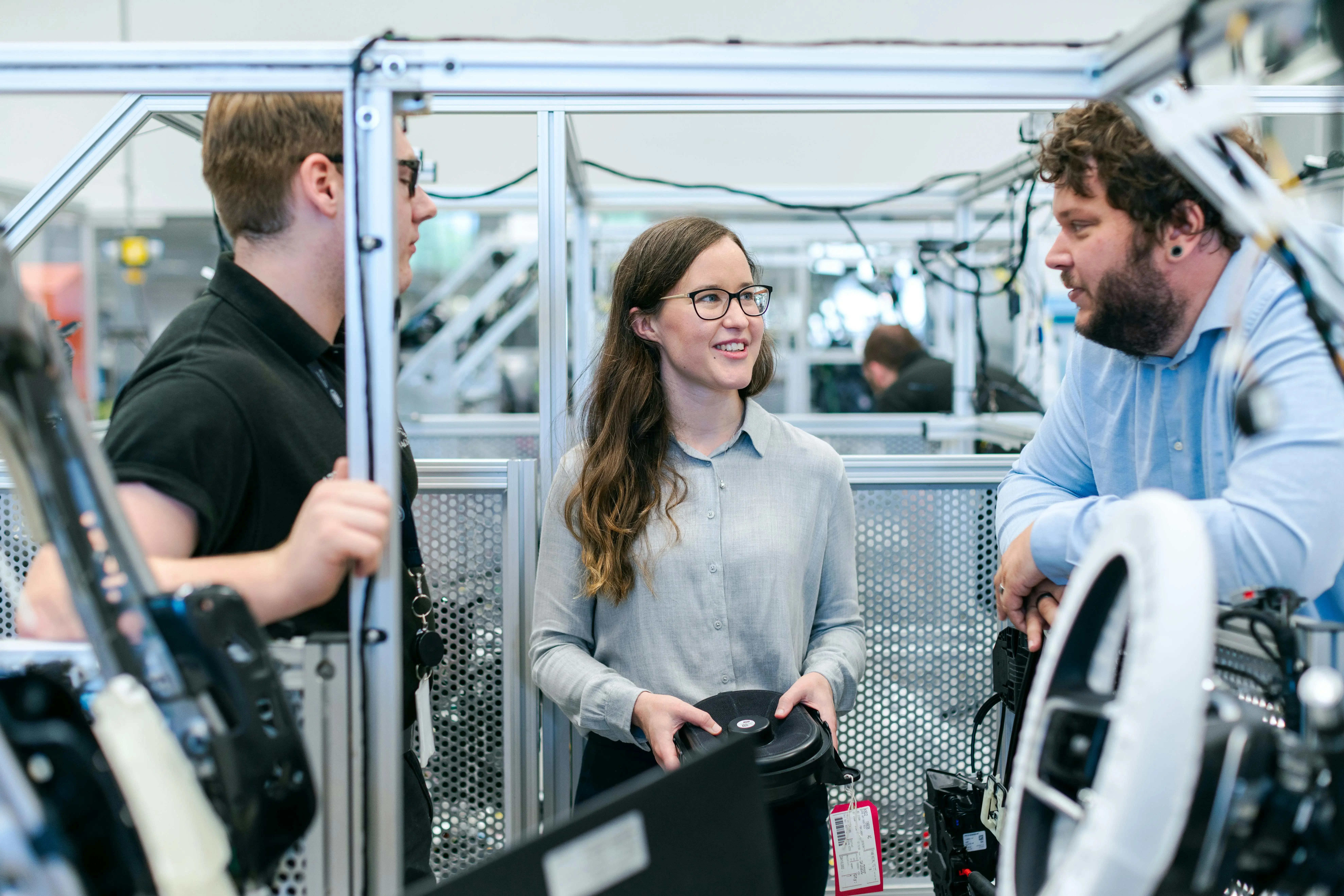
Companies are facing the challenge of preparing young professionals for real working situations.
The Academy helps bridge the gap between education and workplace reality.

When workplace reality meets expectations

What truly matters in day-to-day working life often remains abstract beforehand.

Workflows, decision-making processes, and collaboration with customers and partners usually only become visible once people are already part of the company.

This is exactly where the gap emerges: well-educated young professionals enter a reality they were never truly prepared for.

The result is often friction: longer onboarding periods, increased coordination effort, uncertainty in everyday work life, and not rarely, early frustration and turnover.
program

How it works

Orientation
In 1:1 settings or small groups, based on concrete situations from everyday working life.
This creates a clear understanding of:
  • decision-making processes and responsibilities (e.g. who makes decisions in customer situations, how escalations are handled)
  • collaboration with supervisors, customers, and partners (e.g. preparing and conducting meetings, aligning expectations)
  • priorities in day-to-day operations (e.g. handling short-notice requests versus ongoing tasks)
  • informal structures and communication
Outcome
  • faster onboarding and earlier productivity
  • less friction in everyday work
  • clearer alignment in projects and team coordination
  • more confident interaction in projects and customer-facing situations
example

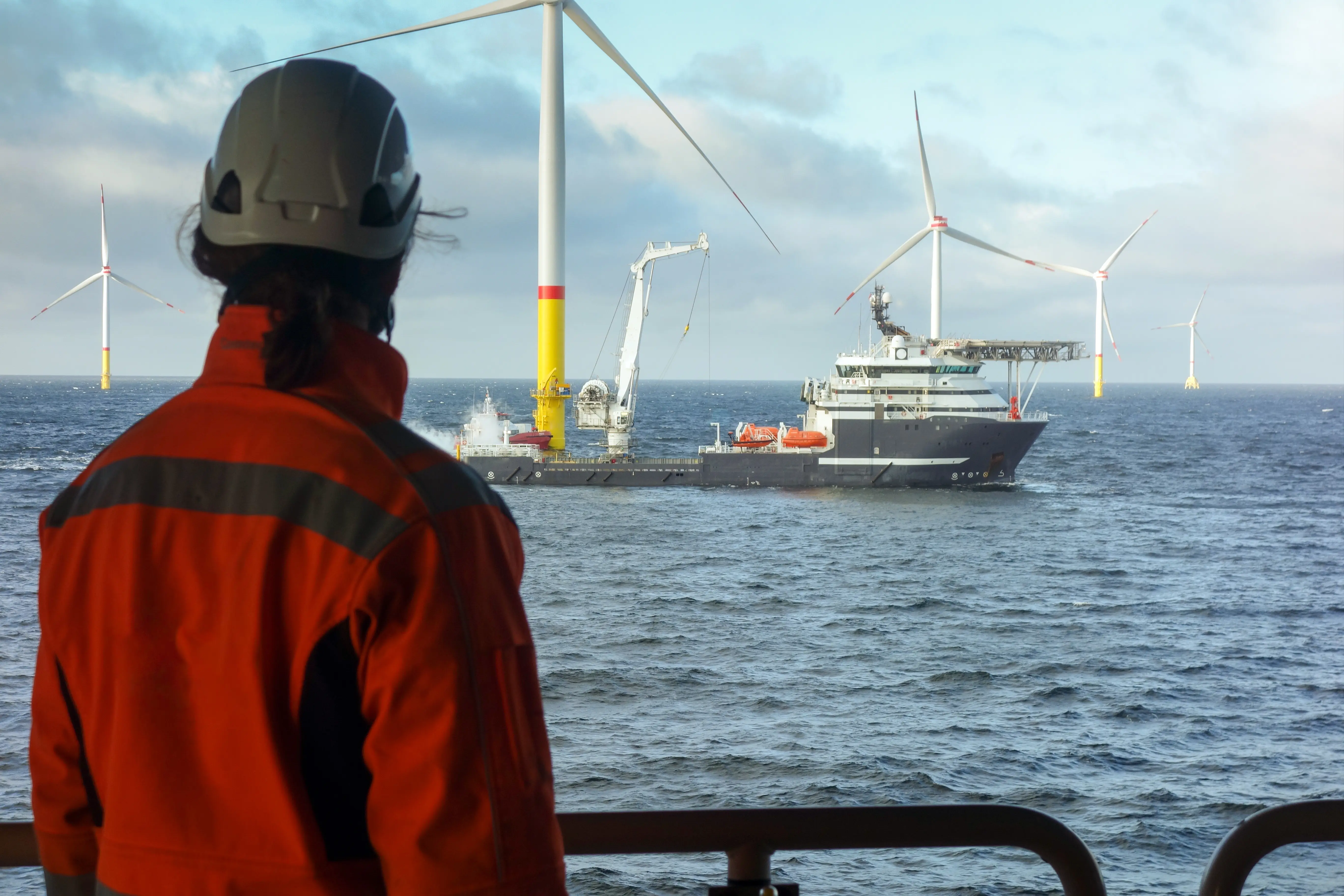
Supporting a transition into technical project work in the maritime industry

Building a clear understanding of stakeholders, decision-making structures and collaboration.
Understanding the industry
  • overview of stakeholders (e.g. shipping companies, shipyards, suppliers, classification societies)
  • decision-making processes and responsibilities throughout the project lifecycle (technical, commercial, operational)
  • relevance of industry events and trade fairs
  • the different requirements and expectations from customers and partners
Presence and collaboration
  • one’s own role at trade fairs, meetings, and customer interactions
  • communication with various stakeholders
  • situational awareness in professional interactions
Informal structures
  • industry culture and informal rules
  • communication styles and cultural differences
  • collaboration within teams and with external partners

How we work together

Formats and scope are defined together depending on the situation.

Approach

  • starting point is concrete situations from the current work environment
  • preparation and follow-up of conversations, meetings and work situations
  • ongoing contextualization of processes, decision-making structures, and responsibilities
  • adjustment of focus areas depending on situation and current needs

Outcome

  • faster integration into workflows
  • clearer understanding of decision-making structures and responsibilities
  • more confident interaction in projects and customer-facing situations
  • reduced friction in everyday work
  • more efficient internal and external collaboration
Send an inquiry
People walking through a bright hallway with wooden floor and neutral decor.
Projekteinstieg
Schwerpunkte
Ablauf
Cursor icon showing a hand pointer
Ergebnis

Request partnership

Briefly share your interest in a potential partnership. We will get back to you shortly.

Zusammenarbeit mit
name
email
telephone
message
Thank you! Your submission has been received!
Oops! Something went wrong while submitting the form.